


When global climate change is discussed, public attention naturally fixates on renewable power grids, electric transport, and industrial decarbonisation. Yet, one of the most critical frontlines of environmental adaptation exists quietly within our properties: water distribution, sewage disposal, and domestic thermal infrastructure. From unprecedented summer droughts that crack underground mains to violent flash flooding that overloads urban drainage, climate change is placing an unsustainable strain on traditional British plumbing systems.
📌 Key Article Takeaways at a Glance:
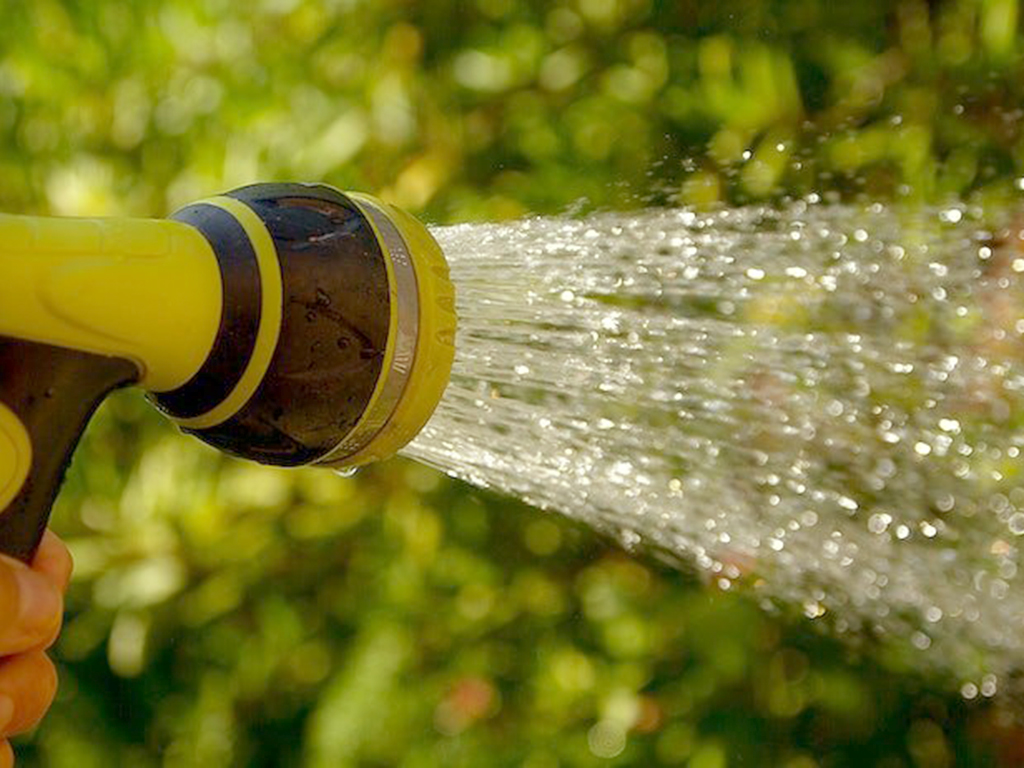
Hosepipe bans and summer water restrictions are becoming regular occurrences across the UK due to changing precipitation patterns.
1. The Physics of Climate Change on Water Infrastructure
For over a century, British domestic plumbing and municipal water infrastructure were engineered around a highly predictable climate: mild winters, moderate summer rainfall, and steady seasonal transitions. However, the rapidly accelerating frequency of extreme weather events is revealing severe structural vulnerabilities in these legacy designs.
Subsidence and Ground Shear Damage
One of the most destructive indirect consequences of prolonged summer heatwaves is clay soil shrinkage. Much of southern and central England rests on highly reactive clay soils. As temperatures spike and rain ceases for extended periods, moisture evaporates from sub-soil layers, causing the earth to contract and drop.
This structural ground movement exerts immense shear forces on rigid underground pipes, including main water lines, sewer connections, and drainage stacks. Traditional cast iron and clay pipework often snaps under this pressure, while older lead and unreinforced plastic pipes suffer severe join detachment, resulting in undetected, high-volume underground leaks that threaten building foundations.
Extreme Freeze-Thaw Thermal Shock
Conversely, winter weather patterns are becoming increasingly volatile. Rather than a sustained, predictable period of cold weather, modern winters are characterized by rapid swings between unseasonably mild temperatures and sudden, intense sub-zero polar vortex events.
⚡ How Thermal Shock Burst Pipes:
- Uninsulated Voids: Mild spells encourage water to remain stagnant in external or unheated loft pipework.
- Rapid Expansion: Sudden temperature drops freeze standing water rapidly, causing volumetric expansion of up to 9%.
- Hydrostatic Spikes: As ice blocks the pipe, upstream water pressure spikes dramatically, rupturing pipe walls at their weakest joint or bend.
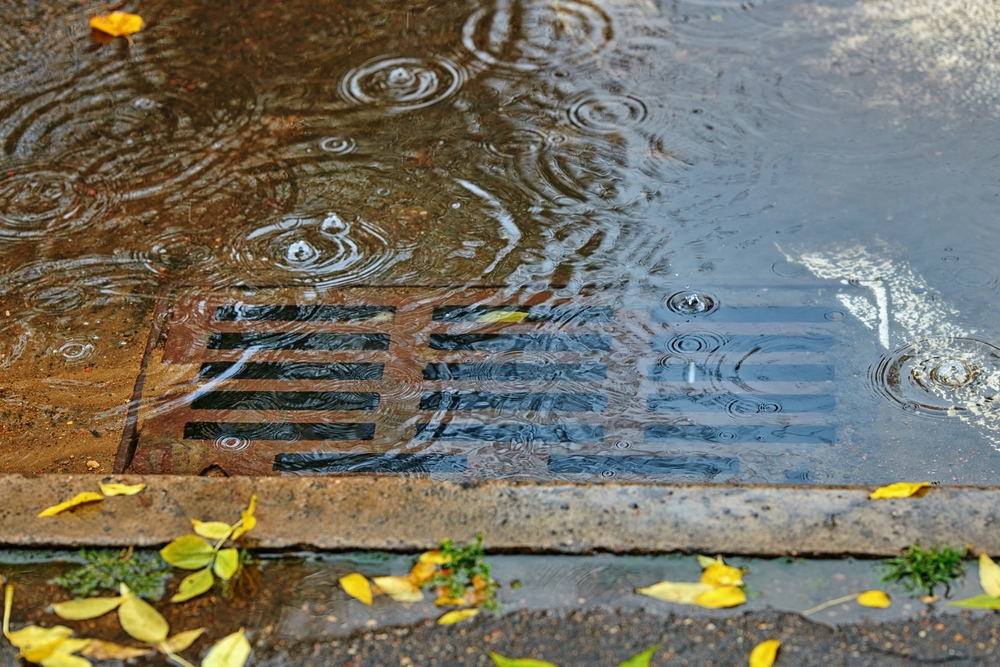
Emergency plumbers respond to an increasing volume of burst pipes and hydraulic failures caused by unpredictable winter freezes.
2. Flash Flooding and Drainage Overload: The SuDS Revolution
Warmer air holds exponentially more moisture, approximately 7% more water vapor per degree Celsius of warming. Consequently, when rain falls in the modern climate, it frequently manifests as localized, high-intensity cloudbursts rather than gentle, steady drizzle.
When extreme rainfall hits dense urban environments filled with tarmac, concrete, and paved driveways, the water cannot naturally soak into the ground. Instead, millions of liters of surface water flow directly into municipal combined sewer systems, causing widespread surface flooding and sewage backflows into homes.
| Drainage Paradigm | Traditional Approach | Climate-Resilient Approach (SuDS) |
|---|---|---|
| Primary Objective | Channelling water away from property as fast as possible. | Attenuating, storing, and infiltrating water at the source. |
| Infrastructure Used | Impermeable gutters, underground PVC gully pots, single-line sewers. | Permeable paving, soakaways, attenuation tanks, rain gardens. |
| Sewer System Impact | Overwhelms municipal networks, causing urban sewer surcharges. | Diverts up to 80% of peak surface runoff away from public sewers. |
| Backflow Protection | Rarely installed; relies entirely on gravity drainage. | Mandatory non-return valves (NRVs) to prevent foul water backflow. |
To combat this, Sustainable Drainage Systems (SuDS) are now being incorporated into domestic building regulations. Modern plumbers are increasingly designing retention systems, such as underground crate soakaways and rainwater harvesting retention units, that catch peak rainfall and release it slowly back into the water table or drainage network after storm surges pass.

Smart water management, IoT metering, and automated shut-off valves are crucial tools in preventing water loss during climate events.
3. Decarbonising Domestic Heat: Gas Boilers vs. Heat Pumps
Plumbing isn’t merely on the receiving end of climate change impact, it is also a primary driver of carbon reduction. Domestic space heating and hot water production account for roughly 14% of total UK greenhouse gas emissions, predominantly due to the country’s historic reliance on natural gas combi boilers.
To meet Net Zero emissions targets, the heating industry is undergoing its largest technological shift in over half a century: transitioning from fossil-fuel combustion to electrical Air Source and Ground Source Heat Pumps.
🔥 Hydronic Plumbing Changes: Gas vs. Heat Pumps
Heat pumps do not produce high-temperature heat instantaneous bursts like gas boilers. Instead, they produce lower-temperature water continuously over longer periods. This fundamental difference requires a total redesign of indoor pipework:
- High flow temperatures (60°C – 75°C)
- Narrow copper pipe diameters (15mm)
- Smaller, high-temperature radiators
- Instantaneous water heating capabilities
- Low flow temperatures (35°C – 50°C)
- Wider distribution pipework (22mm – 28mm)
- Large-surface radiators or underfloor heating
- Mandatory unvented hot water storage cylinders

Professional installation of modern energy-efficient heating systems and hot water cylinders plays a major role in lowering carbon emissions.
4. Water Conservation: Greywater & Smart Leak Control
While climate change causes localized flooding, it simultaneously increases the threat of freshwater scarcity. Decreasing winter snowpacks and unpredictable summer rainfall patterns mean reservoirs are fluctuating wildly. In response, water efficiency mandates are forcing a complete rethinking of indoor water usage.
Domestic Greywater Recycling
Greywater recycling involves intercepting lightly used water from showers, baths, and bathroom sinks, filtering it through biological or mechanical membranes, and re-routing it to flush toilets or power garden irrigation systems. Because toilet flushing accounts for up to 30% of total household water demand, installing greywater recovery loops drastically reduces reliance on purified drinking water mains.
IoT Smart Leak Detection & Auto-Shutoff
Even small, continuous leaks can waste thousands of liters of clean water annually while damaging building structures. Modern climate-resilient installations now incorporate internet-connected smart water meters fitted directly onto the main stopcock.
These devices use ultrasonic sensors to monitor flow velocity and pressure dynamics in real time. If an anomalous water draw occurs, such as a pipe shearing underground or a continuous toilet overflow, the system alerts the homeowner via a smartphone app and automatically closes a motorized shutoff valve to prevent water loss and catastrophic damage.
🛠️ Actionable Checklist: Future-Proofing Property Plumbing
- Insulate Unheated Pipework: Upgrade pipe insulation in lofts, garages, and exterior walls to high-density rubber foam to resist severe polar frosts.
- Fit Non-Return Valves: Install sewer backflow preventers on low-level soil pipes to stop storm surcharge backup during flash floods.
- Audit Water Efficiency: Swap standard aerators for high-efficiency low-flow fittings to conserve heated water and lower utility bills.
- Upgrade Main Supply Line: Replace aged underground lead or iron mains with flexible MDPE (Medium Density Polyethylene) piping resistant to clay soil movement.
5. Summary: A Resilient Path Forward
The intersection of climate change and plumbing is transforming how we think about urban development, home maintenance, and resource conservation. No longer just a matter of fixing taps or connecting drains, modern plumbing is an essential front line in climate defense.
By embracing Sustainable Drainage Systems, transitioning to low-carbon heat pumps, and integrating smart water control technologies, property owners and tradespeople can build resilient, eco-friendly systems ready to withstand the climate challenges of tomorrow.


