



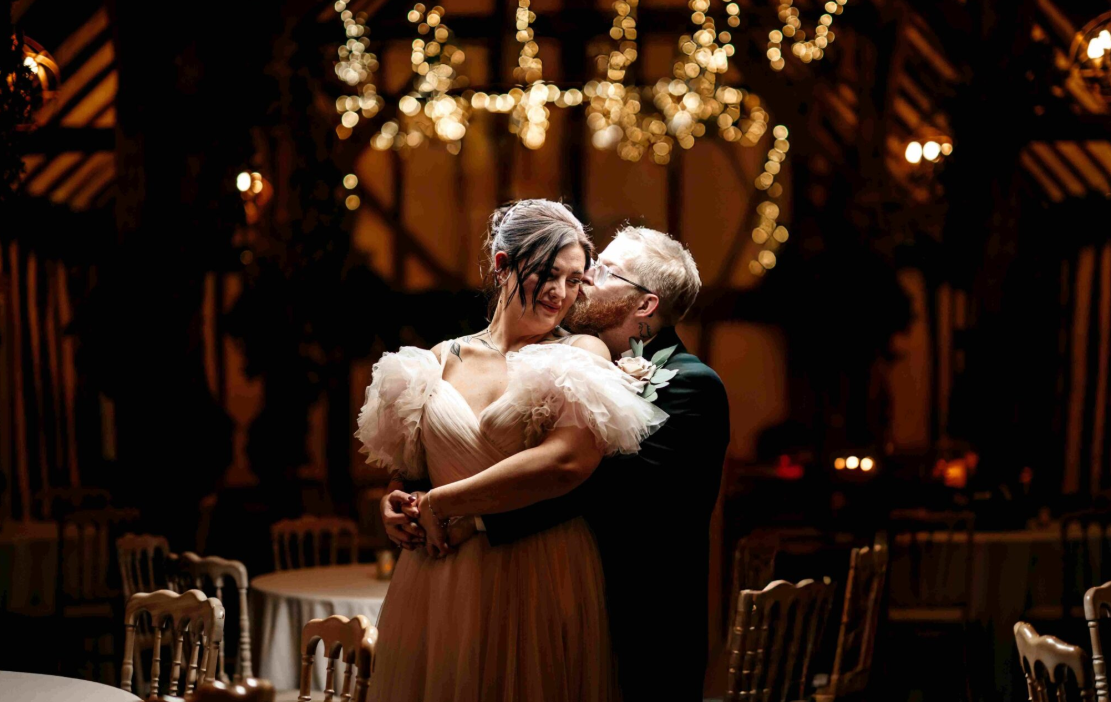

For generations, preserving a wedding meant hiring a single stills photographer to orchestrate formal group portraits outside the parish church, captured on medium-format film and bound into a heavy leather album. Today, the visual landscape of a British wedding looks unrecognisable. Couples no longer choose between static photographs and a shaky home video; instead, they navigate a sophisticated ecosystem of editorial photography, cinema-grade videography, aerial drone cinematography, and real-time social media content creation.
Rather than rendering traditional photography obsolete, the rise of motion capture, pocket-sized smartphone cameras, and unmanned aerial vehicles has pushed wedding visual storytelling into a golden era of hybrid artistry.
Summary Highlights
- Stills vs motion synergy: Photography captures timeless, tactile heirlooms, while modern videography preserves vows, laughter, and atmosphere in cinema-grade clarity.
- The smartphone and drone shift: Guest phone cameras sparked a demand for “unplugged” ceremonies and vertical content creators, while drones brought sweeping architectural perspectives to countryside venues.
- Next-generation wedding visuals: AI-assisted culling, 360-degree spatial video, and a resurgence of authentic 35mm analogue film are shaping the decade ahead.
- Smart supplier selection: Reviewing full galleries, checking UK Civil Aviation Authority (CAA) drone permissions, and prioritising personal rapport ensure the right creative fit.
1. Photography vs Videography: From Rivals to Creative Partners
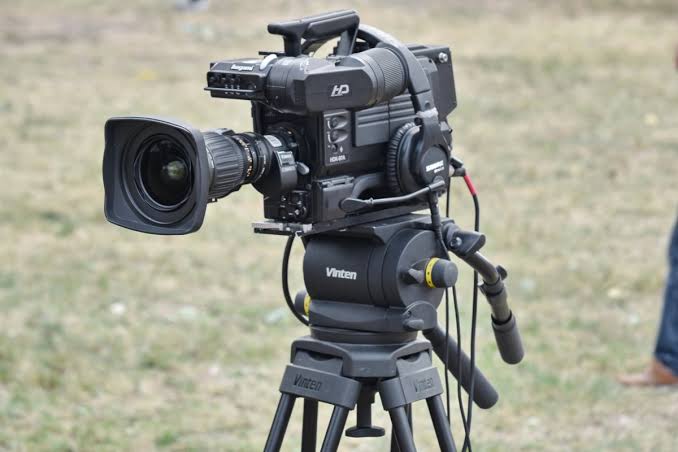
Historically, wedding photography and videography operated in separate worlds. Photographers commanded the prime positions during the ceremony and portraits, while videographers—often carrying bulky shoulder-mounted camcorders and bright on-camera lights—were viewed as intrusive afterthoughts who recorded unedited, three-hour VHS tapes.
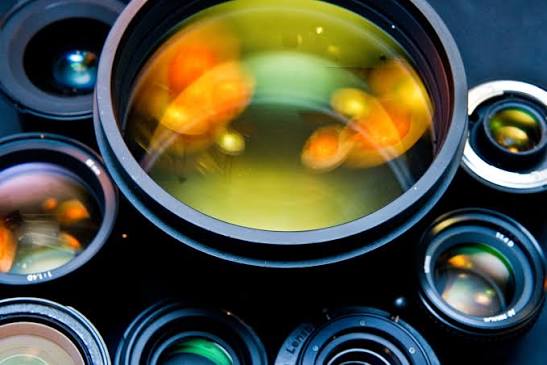
The DSLR and mirrorless camera revolution changed everything. Suddenly, compact camera bodies equipped with full-frame sensors and fast prime lenses could shoot both high-resolution stills and shallow-depth-of-field cinema video in low-light churches and candlelit marquees. Wedding films transformed from chronological recordings into emotional, narrative-driven short films featuring lapel-mic audio of the vows, speeches, and ambient laughter.
Today, top-tier wedding videographers in Kent and across the UK work seamlessly alongside stills photographers as unified visual teams. While photography freezes a split-second glance into an archival print you can frame on a mantelpiece, videography captures the cadence of a parent’s voice during a toast or the movement of a dress in the wind—two distinct mediums that complement rather than replace one another.
2. How Smartphones and Drones Disrupted the Wedding Aisles
Alongside cinema-grade mirrorless cameras, two pieces of consumer technology fundamentally altered how weddings are documented: the ubiquitous smartphone and the compact camera drone.
When every guest began arriving with a high-definition camera in their pocket, professional photographers initially faced a sea of glowing screens blocking the aisle during the first kiss. This sparked the widespread adoption of “unplugged ceremonies,” where couples ask guests to put devices away so the hired professionals can capture unobstructed, emotionally present reactions. Ironically, smartphone culture also created a brand-new wedding supplier niche: the dedicated wedding content creator, who shoots candid, behind-the-scenes vertical clips on an iPhone for instant delivery the very next morning.
At the same time, lightweight drones lifted wedding storytelling into the sky. Rather than relying solely on eye-level framing, filmmakers and photographers can now establish the geography and atmosphere of a celebration in seconds. Sweeping aerial shots showcasing historic Kent wedding venues surrounded by rolling orchards, manicured gardens, and rustic timber barns give couples a cinematic sense of place that was previously impossible without hiring a helicopter.
3. The Future of Wedding Visuals: AI, Spatial Video, and Analogue Nostalgia
Looking ahead, the wedding photography and videography sector is evolving along two seemingly opposite tracks: cutting-edge digital automation and a fierce return to tactile authenticity.
Behind the scenes, artificial intelligence is quietly revolutionising post-production. Tools such as Imagen and Narrative Select help photographers cull thousands of RAW images, balance exposure, and apply personalised colour profiles in a fraction of the time, shrinking turnaround times from three months to a few weeks. Meanwhile, spatial video and 360-degree capture are beginning to enter the luxury market, allowing couples to step back inside their ceremony via mixed-reality headsets decades later.
Yet as digital perfection becomes effortless, couples are increasingly craving human imperfection. Demand for 35mm film photography and Super 8 cine film has surged across Britain. Grainy, sun-flared analogue frames carry an emotional warmth and scarcity that digital sensors cannot replicate, prompting many modern photographers and filmmakers to offer hybrid digital-and-analogue packages.
4. Practical Tips for Choosing the Right Wedding Visual Professional
With so many overlapping formats—documentary stills, editorial portraits, highlight films, drone footage, and Super 8—choosing the right team requires looking beyond a curated Instagram grid.
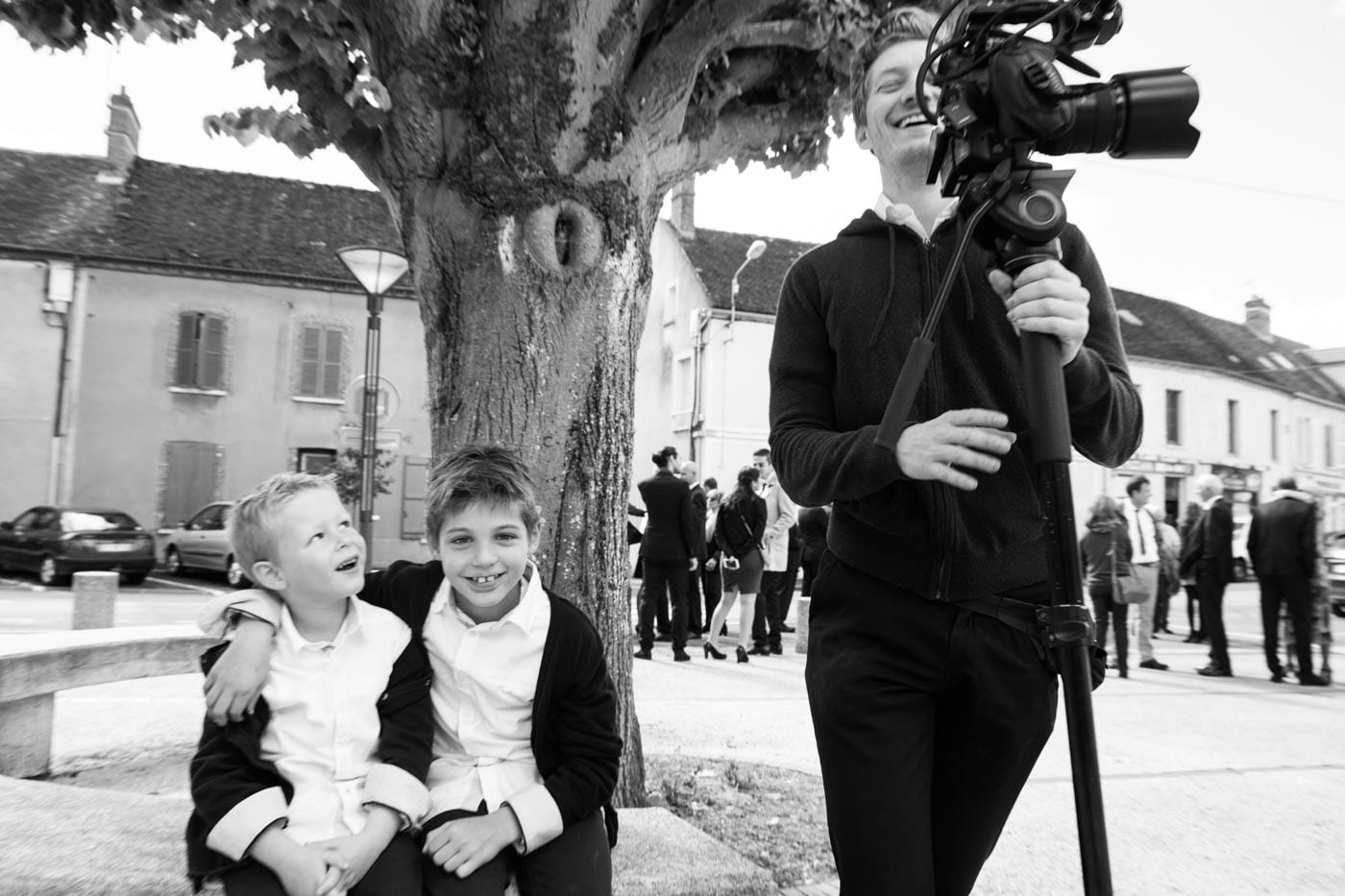
- Request full wedding galleries and films: Highlights reels only show the best five minutes of a sun-drenched summer wedding. Ask to see two or three complete galleries or full ceremony edits shot in challenging British weather or dimly lit interiors.
- Verify UK drone licensing and insurance: Commercial drone operators in the UK must hold valid Flyer and Operator IDs along with specialist public liability insurance regulated by the Civil Aviation Authority (CAA). Always confirm your venue permits aerial filming before booking.
- Decide whether to hire separate specialists or a dual team: While some agencies offer seamless photo-and-video duos who share a unified aesthetic, hiring independent specialists works equally well provided their shooting styles—such as candid documentary versus posed editorial—align.
- Prioritise personality and calm presence: Your photographer and videographer will spend more time beside you on the wedding day than almost any guest. Schedule a video call to ensure their energy puts you at ease in front of the lens.
Photography vs Videography: What Each Medium Preserves Best
- Wedding Photography
- Ideal for tangible heirlooms—fine-art albums, framed wall prints, fleeting micro-expressions, and effortless sharing across generations without needing a screen.
- Wedding Videography
- Unmatched for sensory immersion—capturing spoken vows, emotional speeches, live music, movement, and aerial scale that brings the atmosphere of the day back to life.