



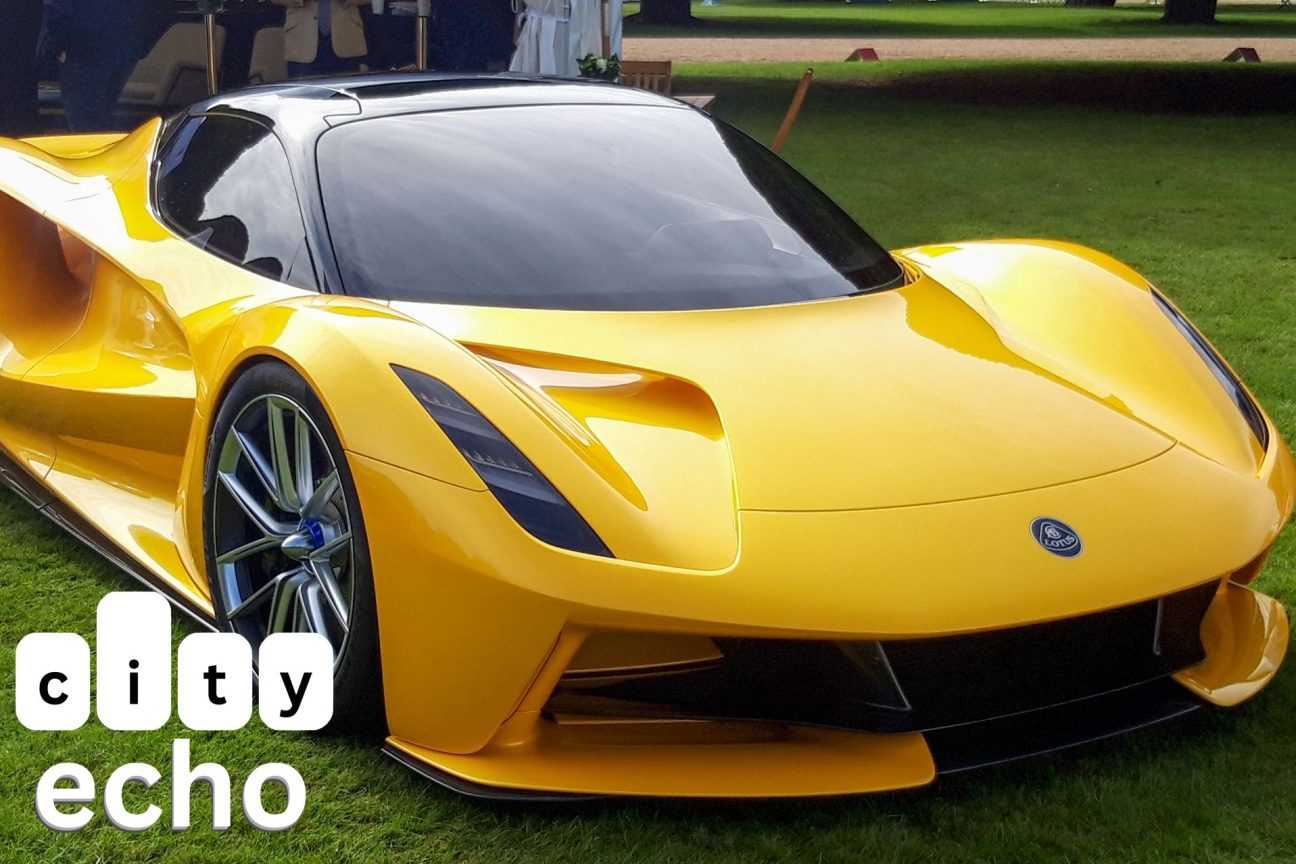

The journey of electric vehicles from early 19th-century novelties to the cornerstone of modern sustainable transport has been nothing short of revolutionary. Looking back at the trajectory of the electric car reveals a fascinating evolution in battery chemistry, aerodynamic design, and clean infrastructure. Today, navigating the world of zero-emission driving means choosing from some of the best electric cars on the market, offering unprecedented range and rapid charging speeds.
Summary Highlights
- Early Innovations: Electric carriages predated internal combustion engines before bowing to cheap petrol for decades.
- The Modern Revival: The turn of the 21st century sparked a resurgence driven by climate urgency and lithium-ion breakthroughs.
- Grid & Industrial Support: Supporting the EV transition relies on clean commercial solar generation and robust electrical engineering.
- Long-Term Ownership: Mainstream adoption has made exterior preservation and battery care central to protecting modern vehicle value.
1. Humble Beginnings and Early Pioneers
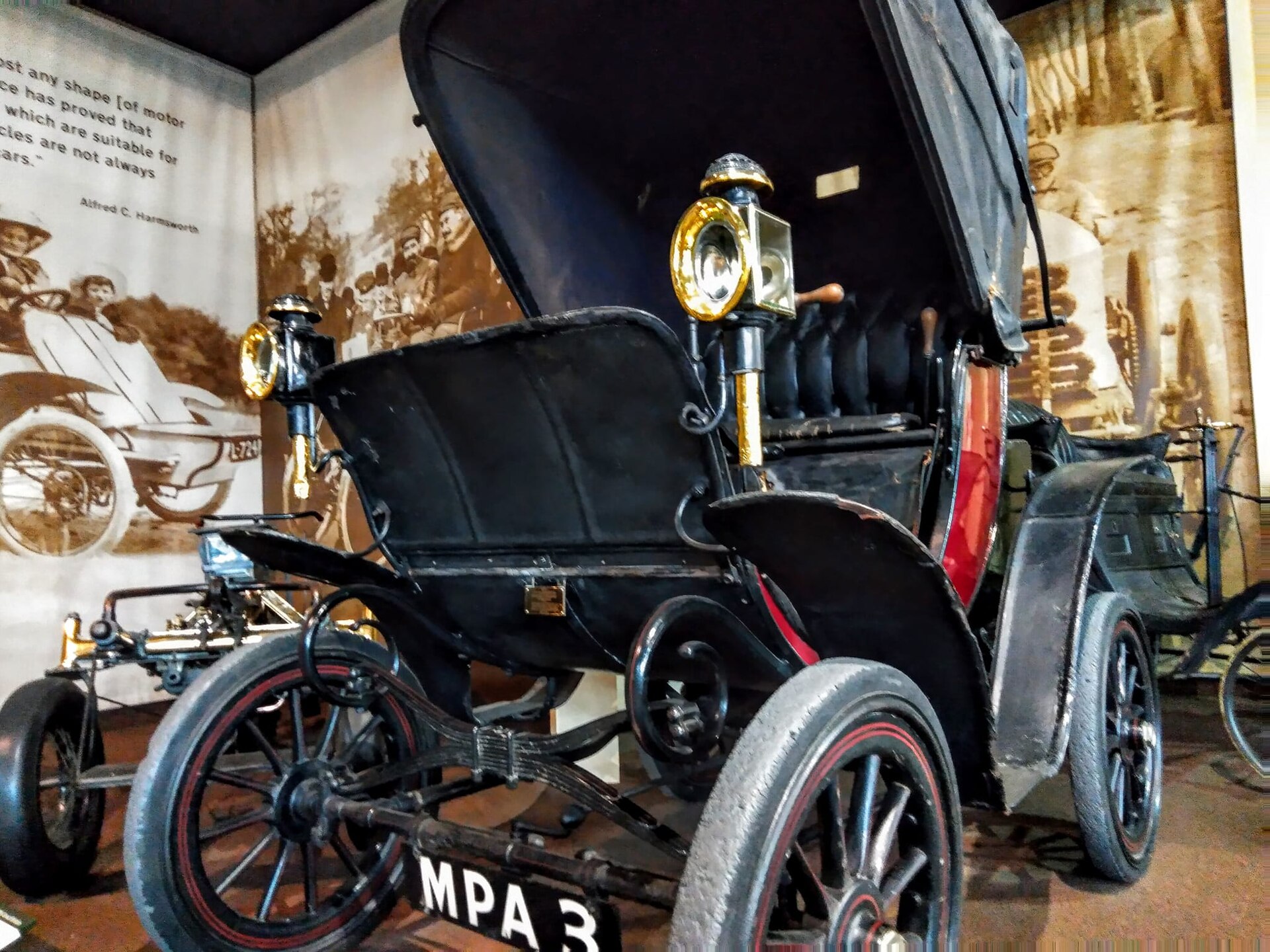
Long before gigafactories and high-speed public chargers dominated headlines, electric vehicles were capturing the imagination of early transport pioneers. In the 19th century, electric carriages offered a clean, quiet alternative to steam and horse-drawn transit, appealing particularly to urban drivers who valued ease of operation over noisy combustion engines.
2. False Starts and the Experimental Era
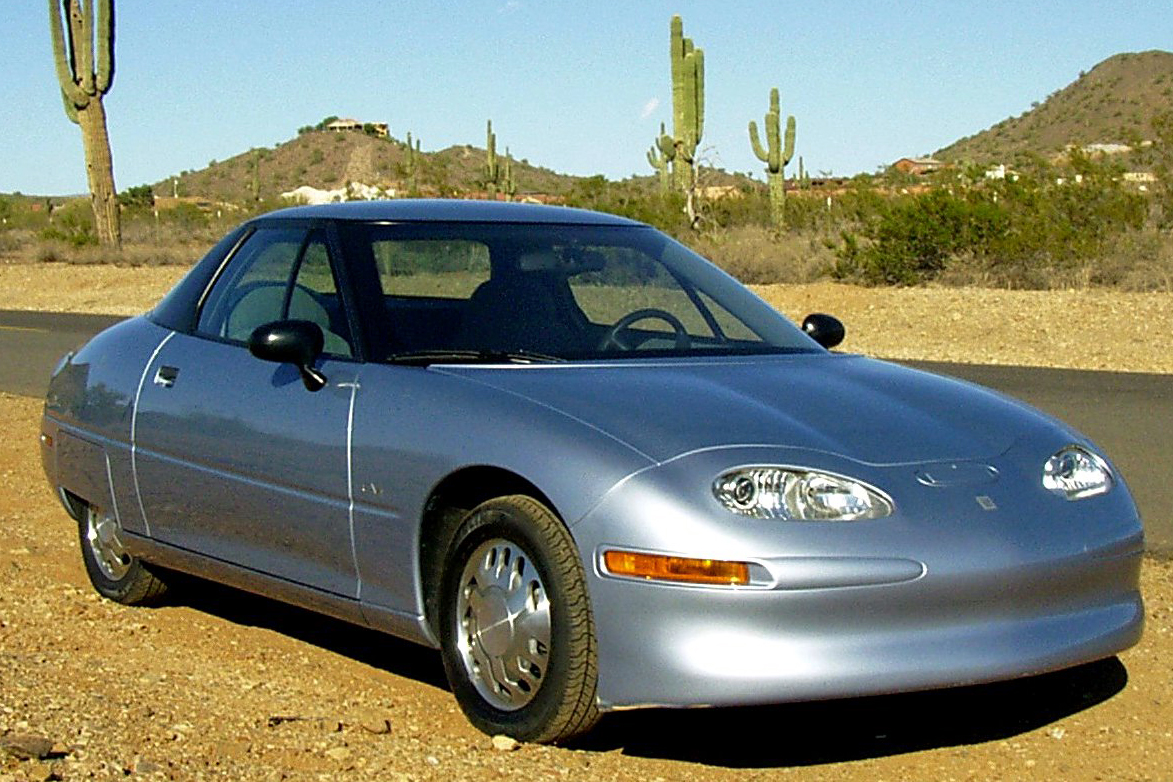
Despite early promise, the discovery of cheap crude oil and the mass production of petrol cars sidelined electric mobility for decades. Sporadic revivals occurred during periods of fuel scarcity, leading to experimental platforms like the General Motors EV1 and visionary compact concepts that tested the limits of lead-acid and early nickel-metal hydride batteries.
3. The Spark of the Modern Revival
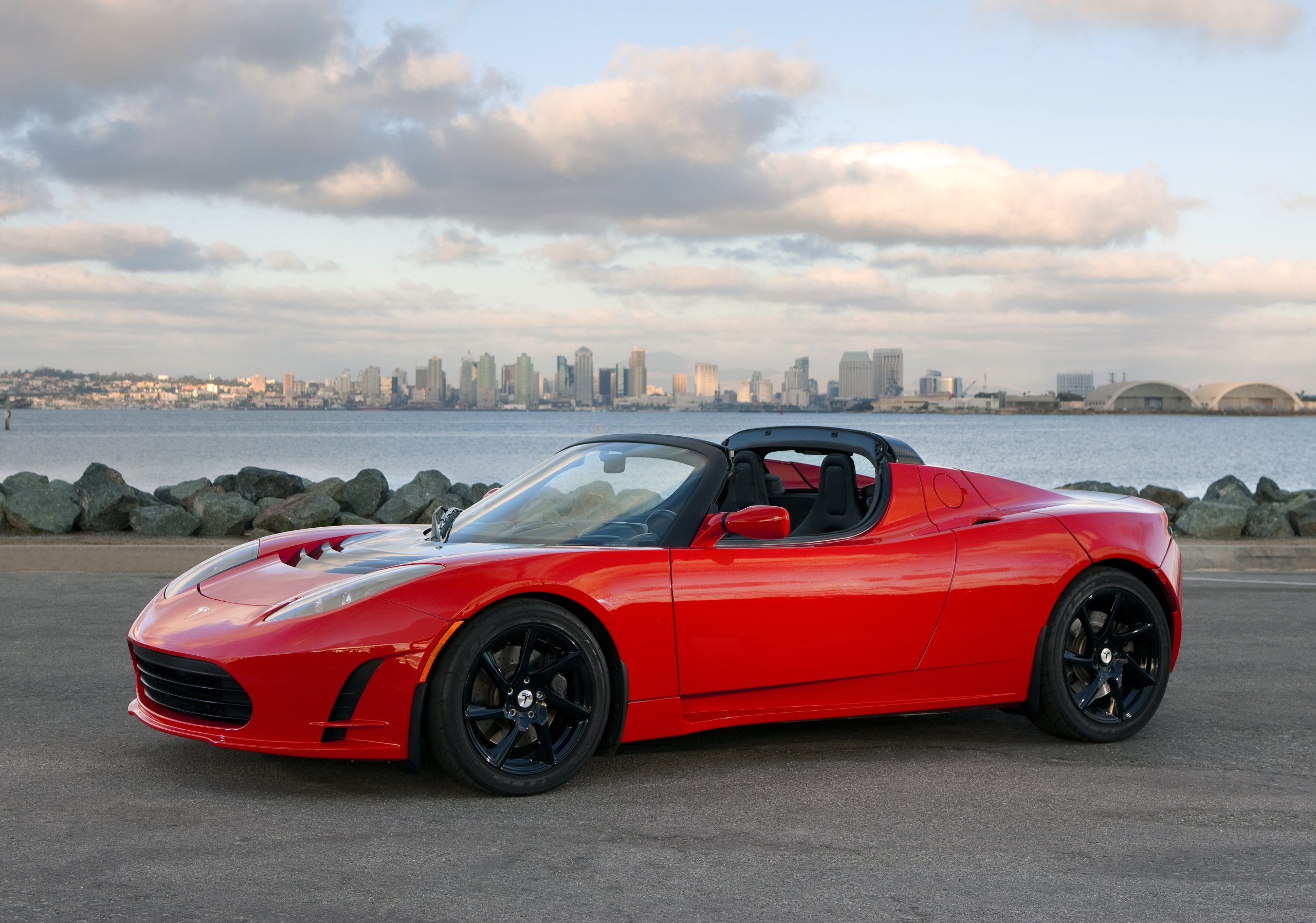
The contemporary electric car revolution truly ignited when lightweight lithium-ion cells migrated from consumer electronics into automotive architecture. High-performance halo cars, exemplified by early iterations like the Tesla Roadster, shattered the myth that electric vehicles were slow or impractical, proving that instant torque could deliver exhilarating driving dynamics. Behind the scenes, scaling up battery production and testing facilities depended heavily on industrial electrical specialists like Covelec to maintain critical motors, drives, and plant machinery.
4. Diversification: City Cars to Hypercars
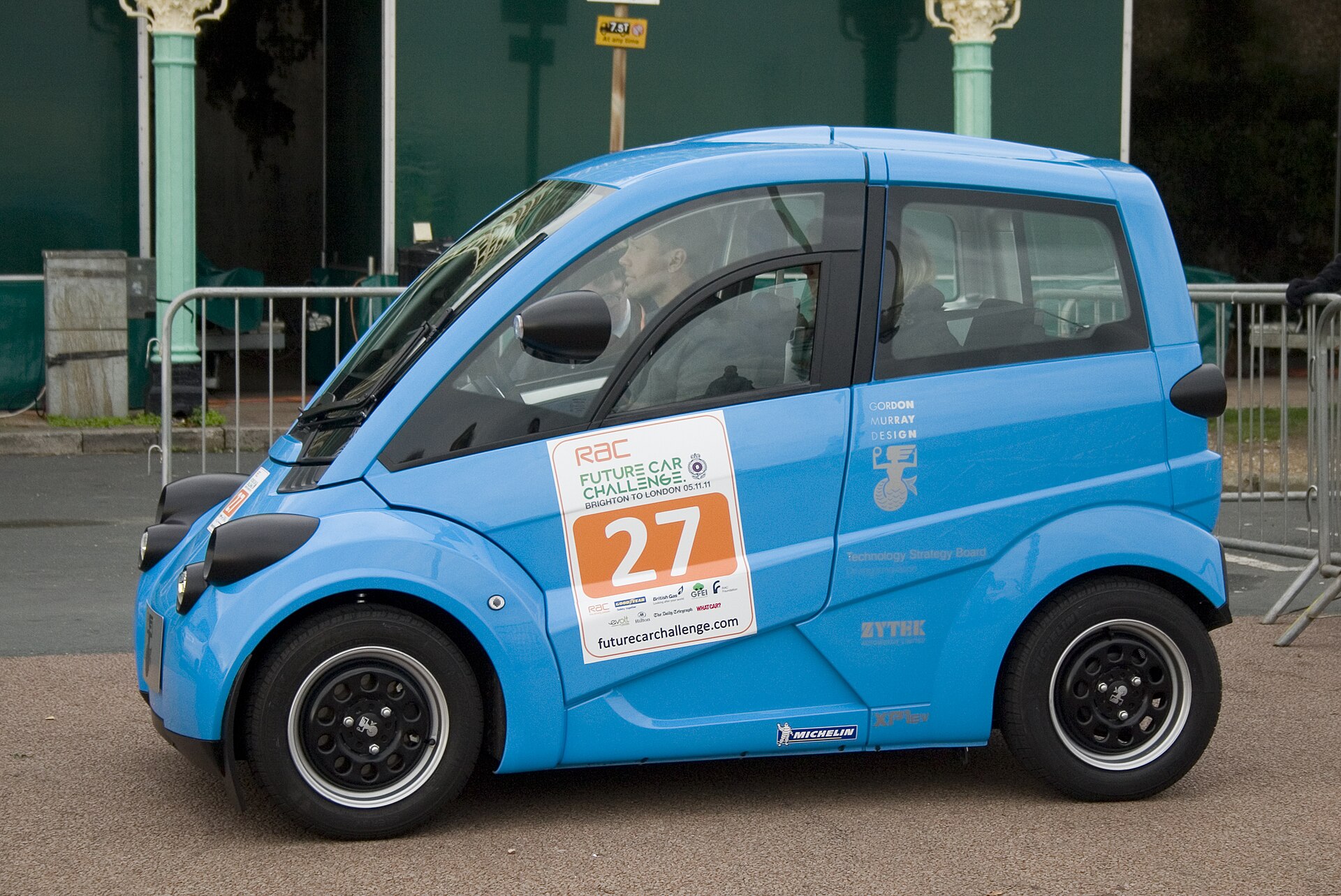
As battery technology matured, the market split into two vibrant directions: hyper-efficient urban runabouts and extreme performance flagships. Engineering studies like the Gordon Murray Design T27 pushed lightweight structural efficiency to its absolute limit, demonstrating how clever packaging could maximise interior space while minimising energy consumption.
5. Mainstream Adoption and Everyday Practicality
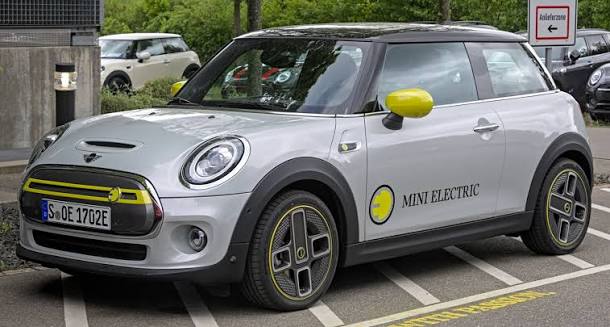
Today, electric cars are no longer niche products for early adopters; they are fully integrated into mainstream fleets and everyday family life. Iconic urban cruisers like the Mini Cooper EV have successfully translated retro charm into zero-emission formats, making city driving cleaner and more responsive. As drivers hold onto these modern vehicles for longer, protecting their bodywork from road salt and environmental contaminants has become standard practice, with many owners investing in professional ceramic coatings to preserve showroom gloss and resale value.
6. The Pinnacle of Electric Engineering
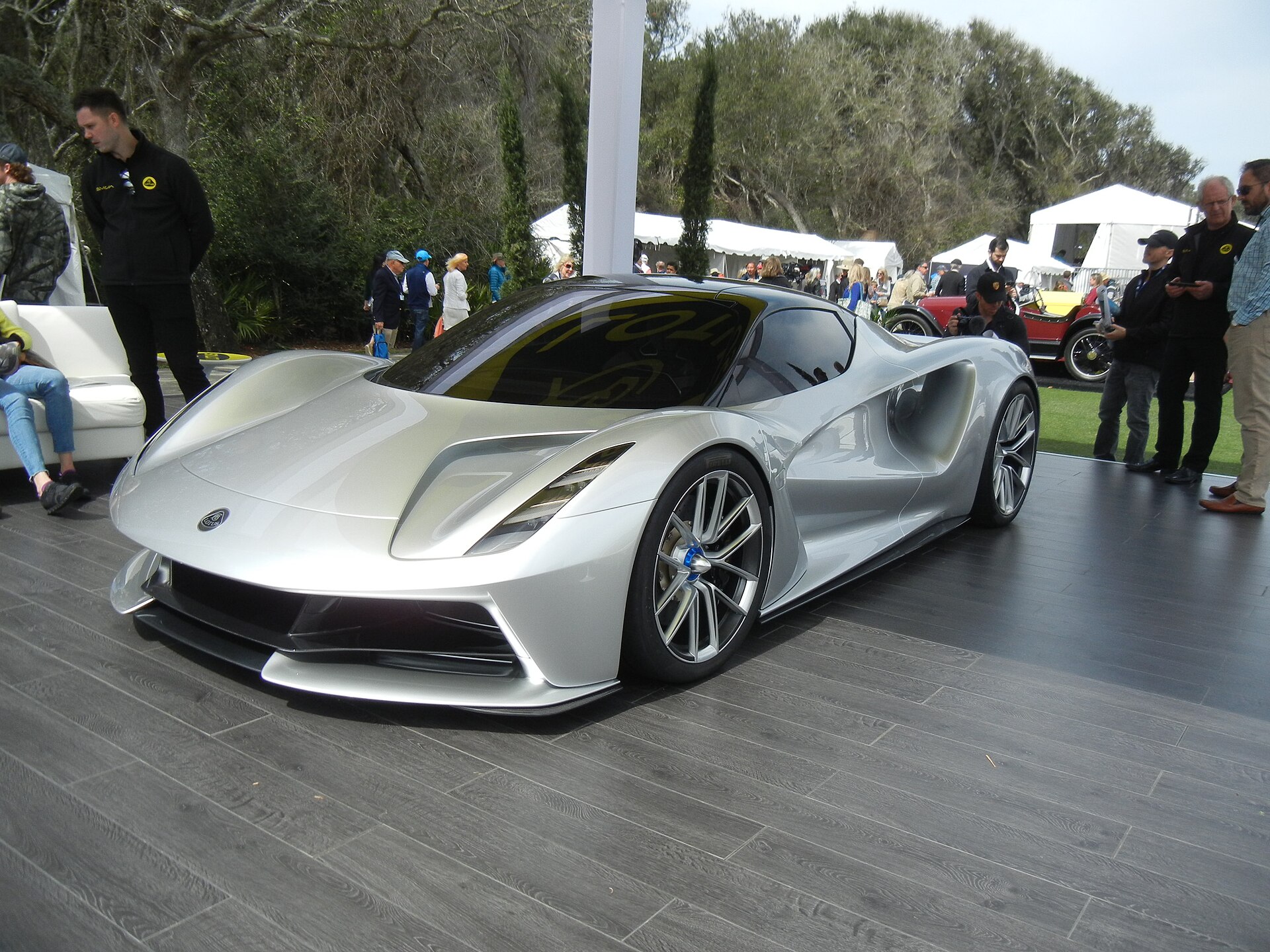
At the cutting edge of the revolution, fully electric hypercars have rewritten the laws of physics. Advanced aerodynamic sculptures like the Lotus Evija harness thousands of horsepower through individual wheel motors, proving that electrification offers limitless potential for vehicle dynamics and track performance. Whether looking at track-focused flagships or everyday standouts featured among Top Gear’s top 20 electric cars, modern battery architecture delivers thrilling capability across every price bracket.
7. Powering the Future: Clean Grids and Renewable Infrastructure
An electric vehicle is only as green as the electricity used to charge it, which is why the final piece of the retrospective focuses on clean energy generation. Across the UK, fleet operators, logistics hubs, and workplace car parks are pairing rapid chargers with commercial solar PV installations, ensuring that the miles driven on British roads are increasingly powered directly by renewable sunshine rather than fossil fuels.
Evolution of Electric Vehicles Across Eras
- Early Era (Late 19th – Early 20th Century)
- Quiet urban carriages powered by heavy lead-acid batteries, popular before cheap petrol took over.
- Experimental Phase (Late 20th Century)
- Regulatory pushes sparked prototypes like the EV1, exploring aerodynamics and alternative storage.
- Modern Revolution (21st Century)
- Lithium-ion breakthroughs, high-performance sports cars, smart charging, and widespread global adoption.